
Emergency Roof Tarping & Structure Protection After a Tree Falls
When a tree penetrates your roof, rain and wind can cause more interior damage than the initial impact. Here is how professional emergency tarping secures your home and satisfies insurance requirements.
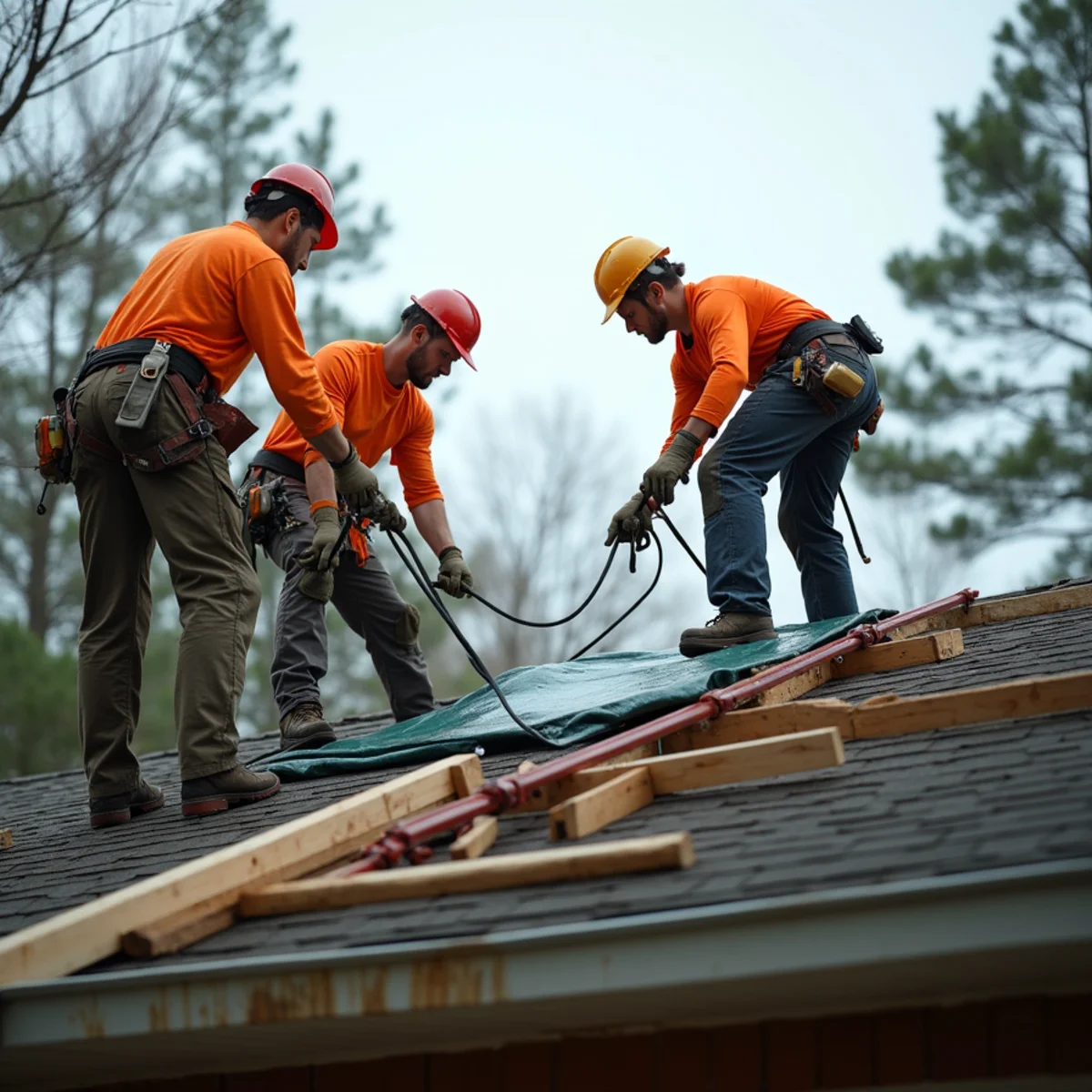
When an eighty-foot oak or pine tree topples onto a residential home during a severe Piedmont thunderstorm or tropical system, the loud crash of timber shattering roof rafters is only the first phase of the disaster. The second phase begins immediately: uncontrolled rainwater pouring through punctured roof decking directly into attic insulation, sheetrock ceilings, and finished living spaces.
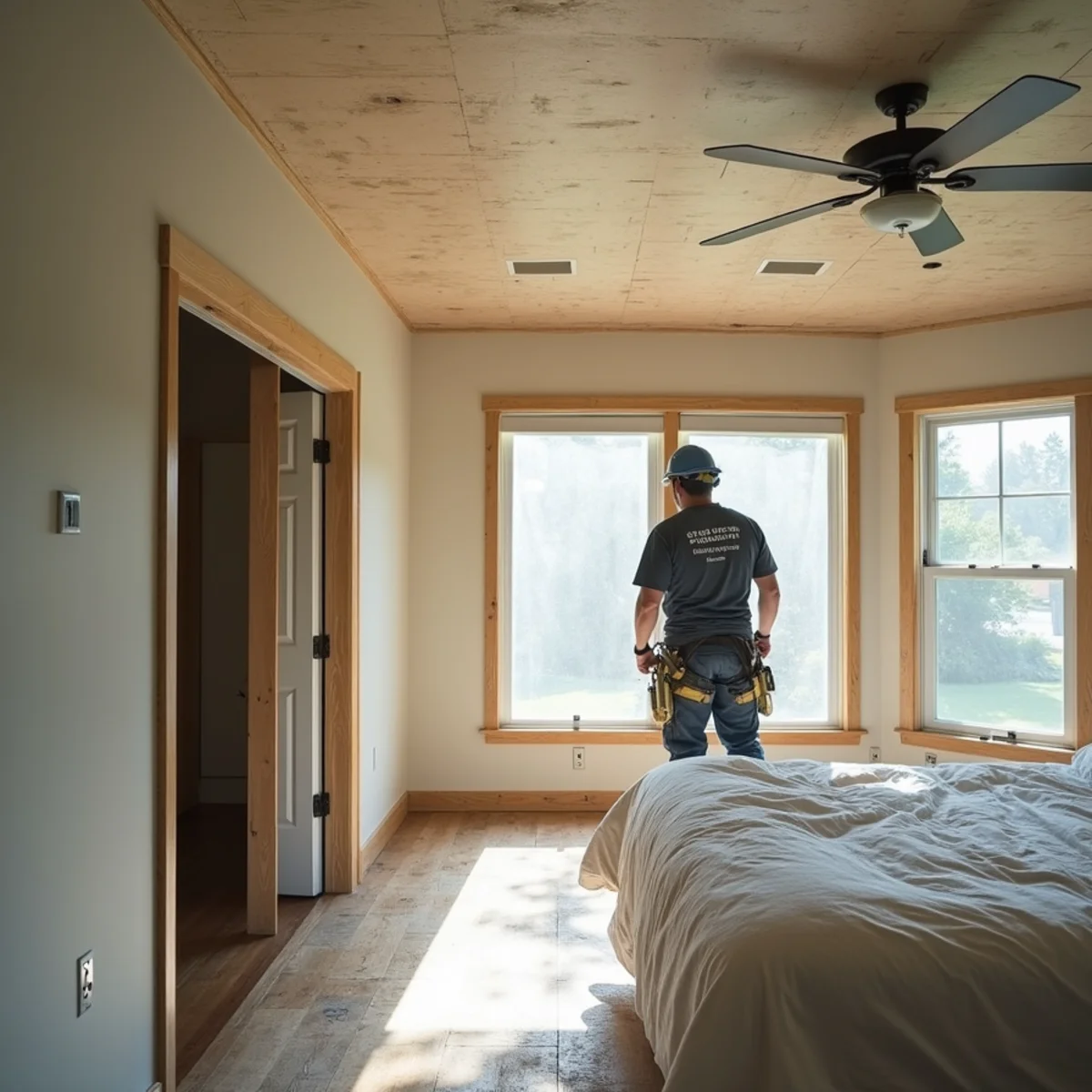
Within just two to three hours of water penetration, soaked fiberglass insulation loses all thermal efficiency, drywall ceilings sag under water weight and collapse, finished hardwood floors warp irreversibly, and electrical circuits short out.
Understanding how professional emergency tarping works, why insurance companies require it, and how it is billed directly to your insurance claim ensures your home remains protected while permanent reconstruction is scheduled.
---
The Critical 24-Hour Timeline: Initial Impact vs. Secondary Water Ruin
Many homeowners are so overwhelmed by the sight of a tree resting on their home that they focus entirely on the tree and forget the weather above it. However, insurance adjusters know that secondary water intrusion routinely costs three to four times more than the initial structural impact damage.
Consider how quickly water damages a residential structure in North Carolina's humid climate:
1. 0 to 2 Hours After Impact: Water saturates blown-in cellulose or fiberglass attic insulation. Moisture spreads laterally along wooden ceiling joists and pools on the upper surface of ceiling drywall. 2. 2 to 6 Hours After Impact: Water finds path-of-least-resistance breaches around recessed light cans, ceiling fans, and drywall seams. Brown water stains spread across ceilings, and sheetrock softens, threatening catastrophic room-wide ceiling collapse. 3. 12 to 24 Hours After Impact: Standing water penetrates subflooring, runs down interior wall studs, and wicks into baseboards and hardwood flooring. In warm summer temperatures, fungal spores begin microscopic colonization. 4. 48 Hours After Impact: Toxic black mold (Stachybotrys chartarum) begins germinating inside wall cavities and wet insulation, requiring expensive professional hazardous mold remediation.
---
North Carolina Insurance Policies: The 'Duty to Mitigate Damages'
Standard North Carolina homeowners insurance policies (HO-3 and HO-5 forms) contain a mandatory covenant known as the 'Duty to Mitigate Damages After a Loss.'
Under this contractual provision, the insured homeowner is legally obligated to take reasonable, timely steps to protect the property from further harm once an initial peril strikes.
- What Happens If You Tarp Promptly: Your homeowners insurance carrier pays 100% of the reasonable emergency extraction, tree removal, and tarping costs under your dwelling coverage, and fully reimburses all resulting interior damage. - The Risk of Delay: If a storm punches a hole in your roof on Tuesday, and you allow heavy rain to flood your home through Thursday without calling an emergency tree service or roofer to seal the hole, the insurance adjuster can legally deny or severely reduce coverage for interior water damage, furniture ruin, and mold remediation, citing homeowner failure to mitigate.
Professional emergency tarping creates an immediate, documented paper trail proving you took swift, decisive action to protect the dwelling.
---
Proper Tarping Engineering: The Wooden Batten Sandwich Method
Slapping a cheap, lightweight blue plastic tarp over broken tree branches and weighing down the edges with loose bricks, cinder blocks, or staple guns does not work. High winds easily catch loose edges, tearing the plastic and blowing the bricks off the roof, creating dangerous projectile hazards.
Professional emergency structural tarping follows rigorous engineering standards:
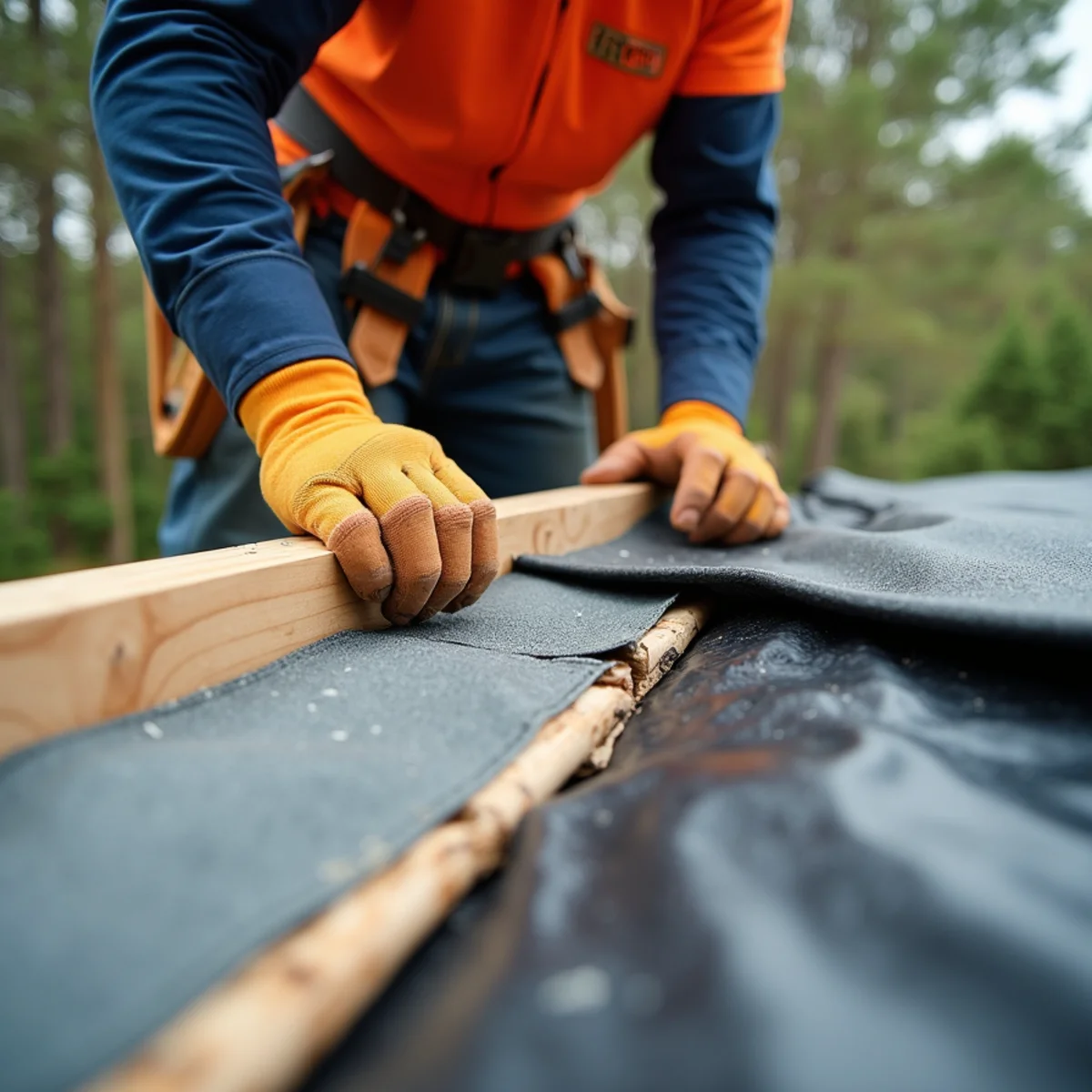
1. Controlled Kinetic De-Tensioning: Before anyone steps onto the roof, our crane or bucket crew carefully cuts away branches resting on the structure. We lift timber vertically with hydraulic cranes to avoid driving broken limbs deeper into the living room below. 2. Plywood Decking Sub-Battening: Where tree limbs have smashed through 1/2-inch OSB or plywood roof sheathing, leaving jagged craters, our crew screws exterior-grade CDX plywood panels over the hole to create a solid, load-bearing backing surface. 3. Industrial UV-Resistant Polyethylene Tarps: We deploy heavy-duty, commercial-grade 10-mil to 12-mil woven polyethylene tarps that resist UV degradation, torrential downpours, and high winds. 4. The Wooden 2x4 Sandwich Anchor System: Tarp edges are wrapped around wooden 2x4 or 1x2 furring batten strips, creating a hemmed wood core. Heavy structural wood screws are driven through the batten, through the tarp, and directly into solid roof rafters. This spreads mechanical wind tension across the entire wooden strip rather than tearing individual grommets. 5. Ridge Cap Overlap Physics: Rainwater always flows downhill. A professional tarp is never terminated just above a hole where water can seep behind the top edge. Instead, the tarp is extended all the way up and over the peak ridge cap of the roof, fastened securely on the opposite roof slope so all water sheds naturally down the outside of the tarp.
---
Emergency Response & Tarping Protocol Matrix
| Phase | On-Site Emergency Crew Action | Homeowner & Insurance Deliverable | |---|---|---| | Phase 1: Arrival & Hazard Lockdown | Assess structural stability, verify power lines are clear, stage safety ropes and fall-arrest harnesses. | High-resolution before-photos of tree on roof for adjuster. | | Phase 2: Precision Timber Extraction | Crane-pick heavy logs off rafters without dropping weight on roof trusses; haul brush to chipper. | Log crane time, crew hours, and equipment deployment for itemized billing. | | Phase 3: Structural Sub-Decking | Clear broken shingles and debris; fasten plywood sheathing over roof penetrations. | Document size of puncture and damaged trusses for roofing contractor. | | Phase 4: Batten Tarp Installation | Roll industrial tarp over ridge cap; screw wood battens every 2 feet; inspect water-tight seal. | Issue comprehensive paid emergency mitigation invoice for insurance reimbursement. |
---
Immediate Interior Steps for Homeowners
While our crew secures the exterior roof, homeowners should take immediate steps inside the residence:
- Turn Off Breakers to Affected Rooms: If water is leaking near light fixtures, ceiling fans, or wall switches, turn off the corresponding circuit breakers at the main electrical panel immediately to eliminate electrocution and electrical fire hazards. - Relocate Electronics and Furniture: Move computers, documents, rugs, and soft furnishings out of rooms underneath the impact zone. - Capture Comprehensive Photo & Video Evidence: Record wide and close-up videos of dripping water, cracked drywall, and compromised structural beams before placing buckets or towels. - Puncture Bulging Ceilings (Controlled Drainage): If a ceiling drywall section is visibly sagging and bulging with trapped water, carefully puncture the center with a screwdriver while holding a 5-gallon bucket underneath. Controlled drainage relieves water weight and prevents the entire sheetrock ceiling from collapsing suddenly.
When storm emergencies strike in Concord, Kannapolis, Harrisburg, or Mint Hill, Cabarrus Tree Crew provides rapid 24/7 dispatch for emergency tree extraction, crane clearing, and weather-tight roof tarping. Call our emergency hotline at (321) 478-0689.
Field Evidence & Visual Guide
Reference photographs illustrating the key stages, biological indicators, and field equipment discussed in this article.
Need Help With a Dangerous or Fallen Tree?
Call Cabarrus Tree Crew at (321) 478-0689. Our insured local teams answer 24 hours a day, 7 days a week.
Frequently Asked Questions
Does homeowners insurance pay for professional emergency roof tarping?▾
How long can a professionally installed roof tarp remain in place?▾
Why should I avoid using cinder blocks or bricks to hold down a roof tarp?▾
Can Cabarrus Tree Crew bill my insurance company directly for emergency tarping?▾
Request an On-Site Tree Estimate
For immediate emergencies (tree on house, car, or blocked road), please call directly for fastest dispatch.