
Why Concord's Red Clay Soil Causes Pine and Oak Trees to Uproot in High Winds
Ever wonder why mature pines and oaks in Concord topple over like dominoes with their entire root plate exposed after a heavy rain? The answer lies in the unique physics of North Carolina Piedmont red clay.
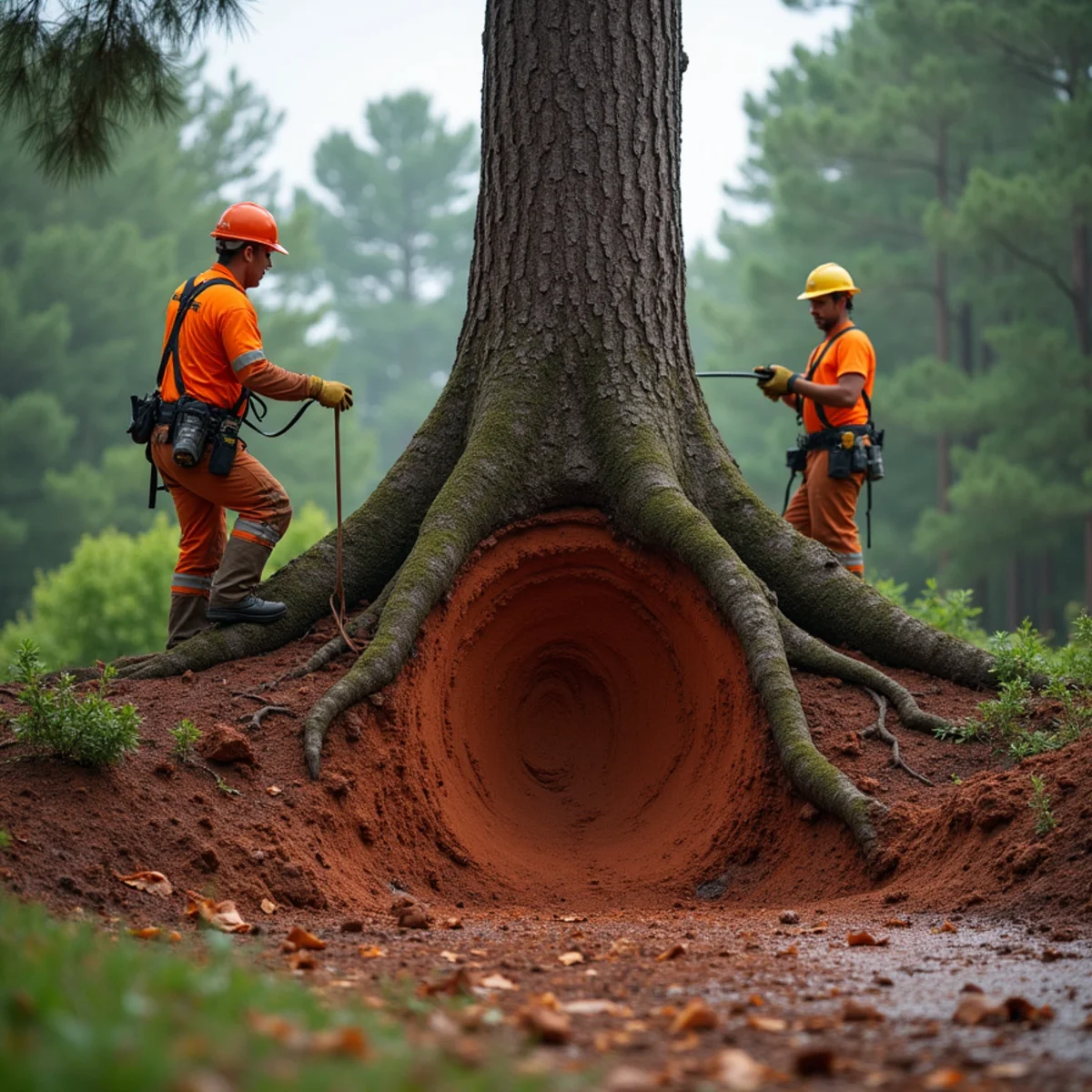
Walk through any neighborhood in Concord, Harrisburg, or Midland the morning after a severe summer thunderstorm, microburst, or tropical weather system, and you will witness an arresting visual: dozens of tall, mature trees lying flat across lawns, fences, and driveways.
What is most remarkable is that the vast majority of these fallen trees did not snap at the trunk. Instead, the tree blew over completely intact, hoisting a massive, vertical disc of reddish mud and severed roots six to ten feet into the air—a phenomenon arborists call windthrow root plate failure.
Why does this happen so frequently in Cabarrus County compared to areas with sandy or loamy soils? The answer lies in the unique geotechnical physics and hydrology of North Carolina Piedmont red clay.
---
Geotechnical Properties of Piedmont Cecil Red Clay
Cabarrus County lies directly in the heart of the Carolina Piedmont geological province, an ancient eroded plateau underlain by weathered metamorphic and igneous bedrock. The dominant soil series across Concord and Harrisburg is Cecil clay loam, renowned for several unique physical traits:
1. Microscopic Platelet Architecture: Unlike sandy soils composed of rounded silica grains, clay consists of microscopic mineral platelets packed tightly together. This creates an extremely high bulk density with virtually no macropores. 2. Poor Hydraulic Conductivity & Slow Infiltration: Water infiltrates Cecil clay at an extremely slow rate (often less than 0.2 inches per hour). During heavy multi-day rain events, water cannot drain quickly into deep aquifers, causing the upper 18 inches of soil to become completely waterlogged and suspended in a slurry. 3. Severe Shrink-Swell & Fissuring: During hot, dry Carolina summers, Cecil clay shrinks, bakes into hard rock-like clods, and develops deep surface fissures. When autumn rains arrive, water floods into these open cracks, saturating the soil deep beneath tree roots.
---
The Shallow Root Plate Adaptation: Debunking the 'Deep Taproot' Myth
A widespread myth among homeowners is that massive shade trees anchor themselves with a deep, carrot-like central taproot plunging 20 or 30 feet straight down into the earth.
In the North Carolina Piedmont, this almost never happens:
- The Oxygen Barrier: Tree roots require oxygen for cellular respiration to absorb water and nutrients. Dense, compacted clay subsoils contain virtually zero available oxygen below a depth of 24 inches. - The Bedrock Barrier: Much of Cabarrus County features shallow bedrock or dense saprolite (weathered rock) located just two to four feet beneath the surface. - The Horizontal Pancake Strategy: Unable to penetrate suffocating subsoil clay or underlying rock, trees adapt by sending 85% to 90% of their root mass outward horizontally in a broad, shallow disc—rarely deeper than 12 to 18 inches below the surface. - Surface Lateral Dominance: While this broad root disc provides adequate anchorage in dry, hard-packed clay, it creates an extraordinarily shallow mechanical foundation when the soil is saturated.
---
Hydro-Mechanical Shear Failure: Saturated Lubrication & Wind Leverage
When severe weather strikes Cabarrus County, a deadly combination of soil physics and mechanical leverage causes rapid tree failure:
1. Loss of Soil Cohesion (Shear Strength Failure): Dry clay particles possess strong electrostatic bonds, holding root collars with immense strength. However, when clay absorbs 100% of its moisture capacity, water molecules separate the microscopic clay platelets. The soil loses all internal shear friction, transforming from hard ground into a slick, heavy lubricant. 2. The Canopy Sail Effect: An 80-foot loblolly pine or mature willow oak presents hundreds of square feet of dense canopy area to oncoming wind. 3. Rotational Torque on the Trunk: When storm gusts hit 45 to 60 mph, the wind pushes the canopy with thousands of pounds of lateral force. The trunk acts as a giant mechanical lever arm, transferring tremendous rotational torque down to the root plate. 4. Hinged Uprooting: Because the saturated clay cannot resist the rotational shear force, the windward roots break or pull out of the slick mud. The entire root plate hinges on the leeward side and peels out of the earth like the lid on a tin can.
---
Windthrow Vulnerability Matrix for Cabarrus County Yards
| Tree Species | Root Structure in Piedmont Clay | Canopy Wind Resistance | Failure Mechanism | Relative Windthrow Risk | |---|---|---|---|---| | Loblolly Pine (Pinus taeda) | Extremely shallow plate; brittle laterals | High evergreen wind catch year-round | Complete root plate peel or mid-trunk snap | Extreme (High Risk) | | Water Oak / Willow Oak | Massive broad surface lateral disc | Heavy dense summer sail; high weight | Saturated clay shear / whole plate blowover | High | | Sweetgum (Liquidambar styraciflua) | Shallow horizontal roots; surface knots | Dense pyramidal canopy in storms | Uprooting in wet swales and drainage zones | Moderate to High | | White Oak (Quercus alba) | Stronger radial root flare development | Broad open branch architecture | Limb breakage rather than whole uprooting | Low to Moderate | | Eastern Redcedar (Juniperus virginiana) | Fibrous, dense shallow root mat | High wind catch; dense foliage | Uproots easily when planted in manicured lawns | Moderate |
---
How Homeowners Can Prevent Red Clay Windthrow
While you cannot alter the geological soil type of your Concord property, proactive arboricultural management can drastically reduce whole-tree blowover risks:
1. Crown Thinning & Wind-Load Reduction: Selective thinning of secondary branches reduces total canopy sail density by 15% to 20%, allowing high storm winds to blow directly through the crown rather than catching it like a parachute. 2. Reroute Stormwater Drainage Away from Root Collars: Never allow downspout extensions, sump pump discharges, or pool backwash lines to empty within 10 to 15 feet of a mature tree's root flare. Keeping the root zone firmer during rainstorms preserves soil shear strength. 3. Avoid Severing Surface Roots During Construction: Trenching for irrigation pipes, invisible dog fences, or sidewalk pavers through the critical root zone cuts structural lateral anchor roots, predisposing the tree to blow over in the next storm. 4. Post-Storm Ground Inspections: Walk your property after heavy rains. Look for fresh soil cracking, humped mounds of turf on one side of the trunk, or freshly exposed white root tips. These are warning signs that the root plate has begun shifting and requires immediate arborist intervention.
If you are concerned about tall pines or heavy hardwoods leaning near your home in Concord, Harrisburg, or Midland, call Cabarrus Tree Crew at (321) 478-0689 for a root stability and structural hazard assessment.
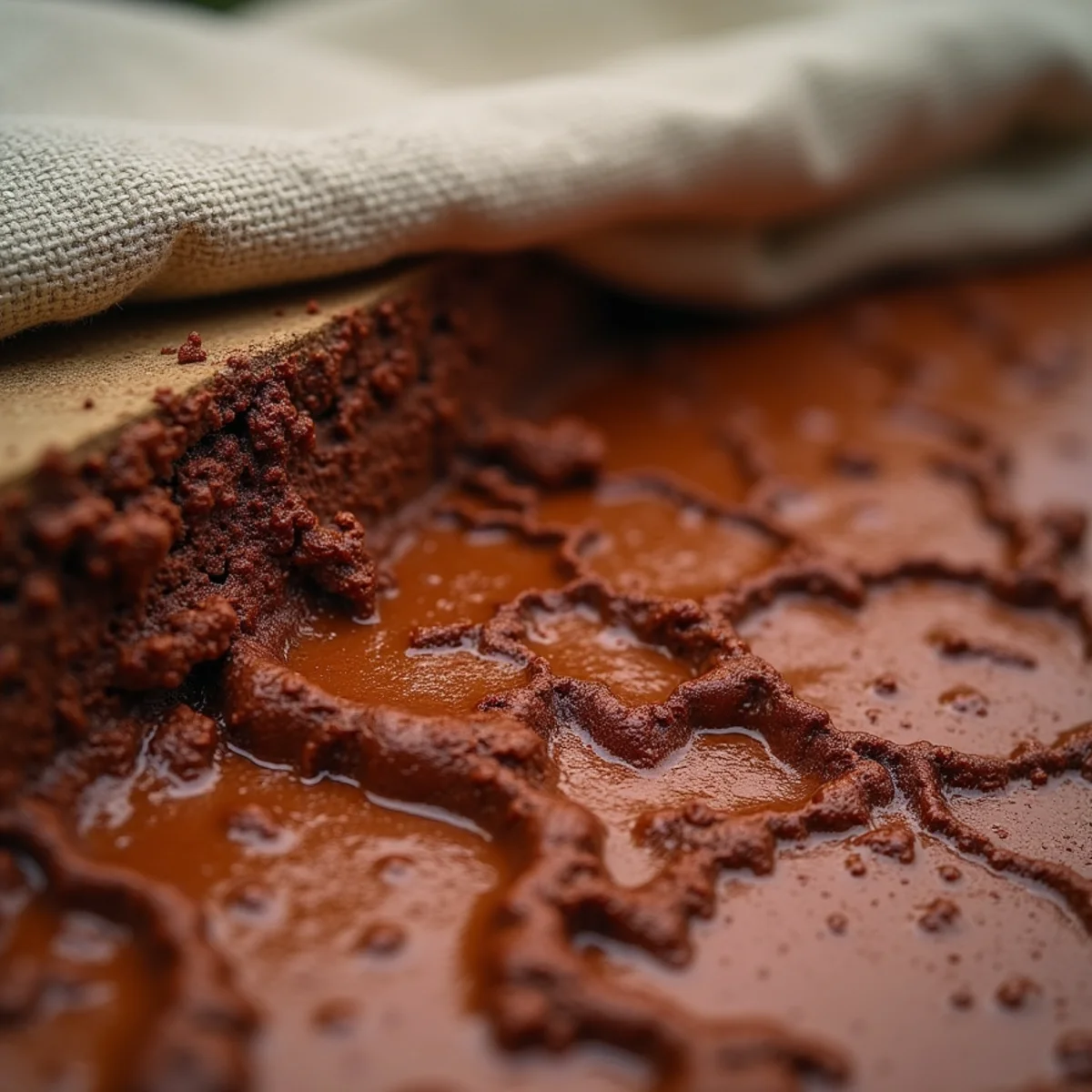
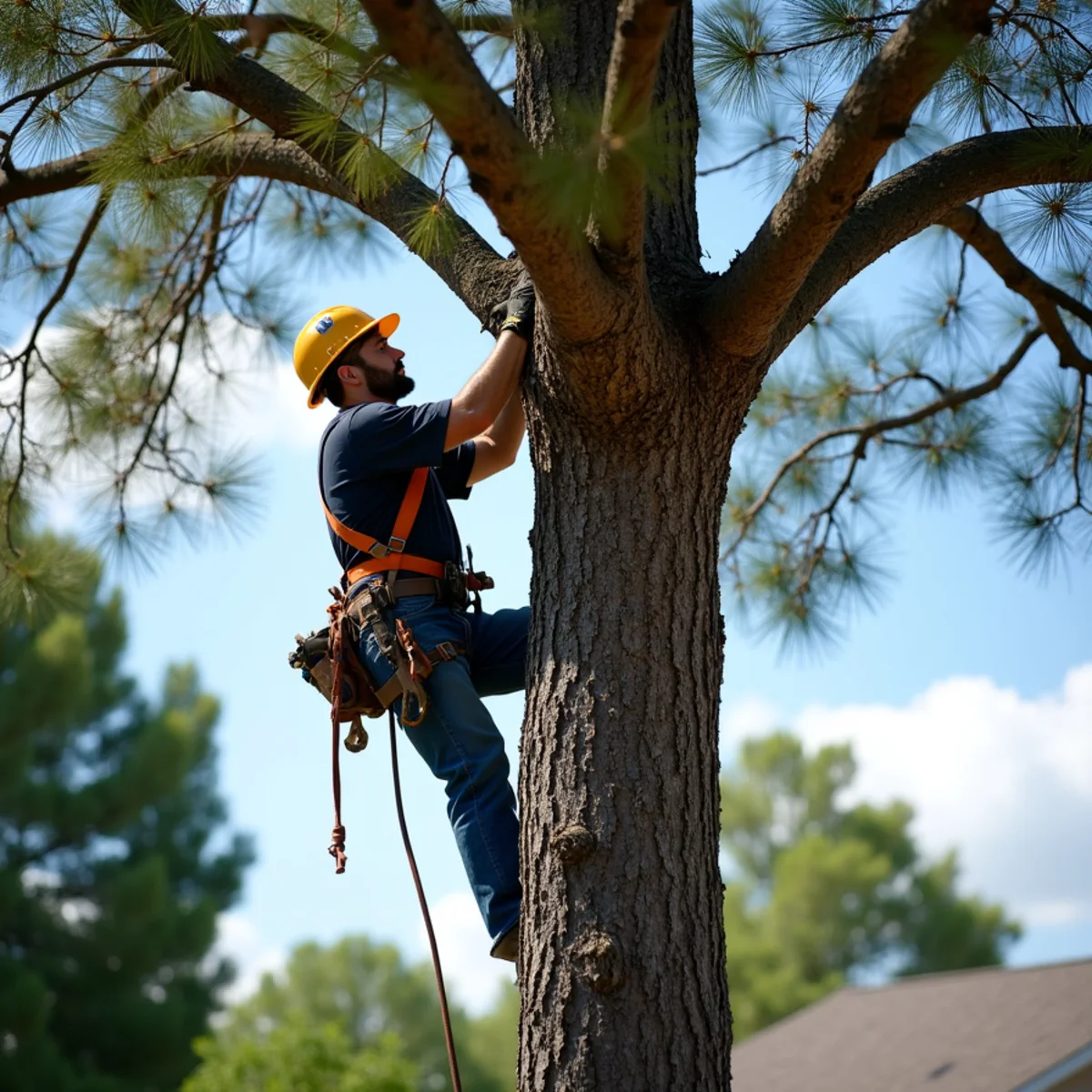
Field Evidence & Visual Guide
Reference photographs illustrating the key stages, biological indicators, and field equipment discussed in this article.
Need Help With a Dangerous or Fallen Tree?
Call Cabarrus Tree Crew at (321) 478-0689. Our insured local teams answer 24 hours a day, 7 days a week.
Frequently Asked Questions
Can an uprooted tree be pushed back up and saved in red clay soil?▾
Why do builder-planted trees in new subdivisions uproot so easily?▾
Do pine trees blow over more easily than hardwoods in Cabarrus County?▾
How can I tell if a leaning tree is about to blow over?▾
Request an On-Site Tree Estimate
For immediate emergencies (tree on house, car, or blocked road), please call directly for fastest dispatch.