
7 Signs a Tree Is Dying or Dangerous in a Piedmont Yard
Trees often exhibit subtle structural and biological warning signs months before they fail. Learn how to inspect your Piedmont yard for fungal conks, root plate lifting, trunk cavities, and bark loss.
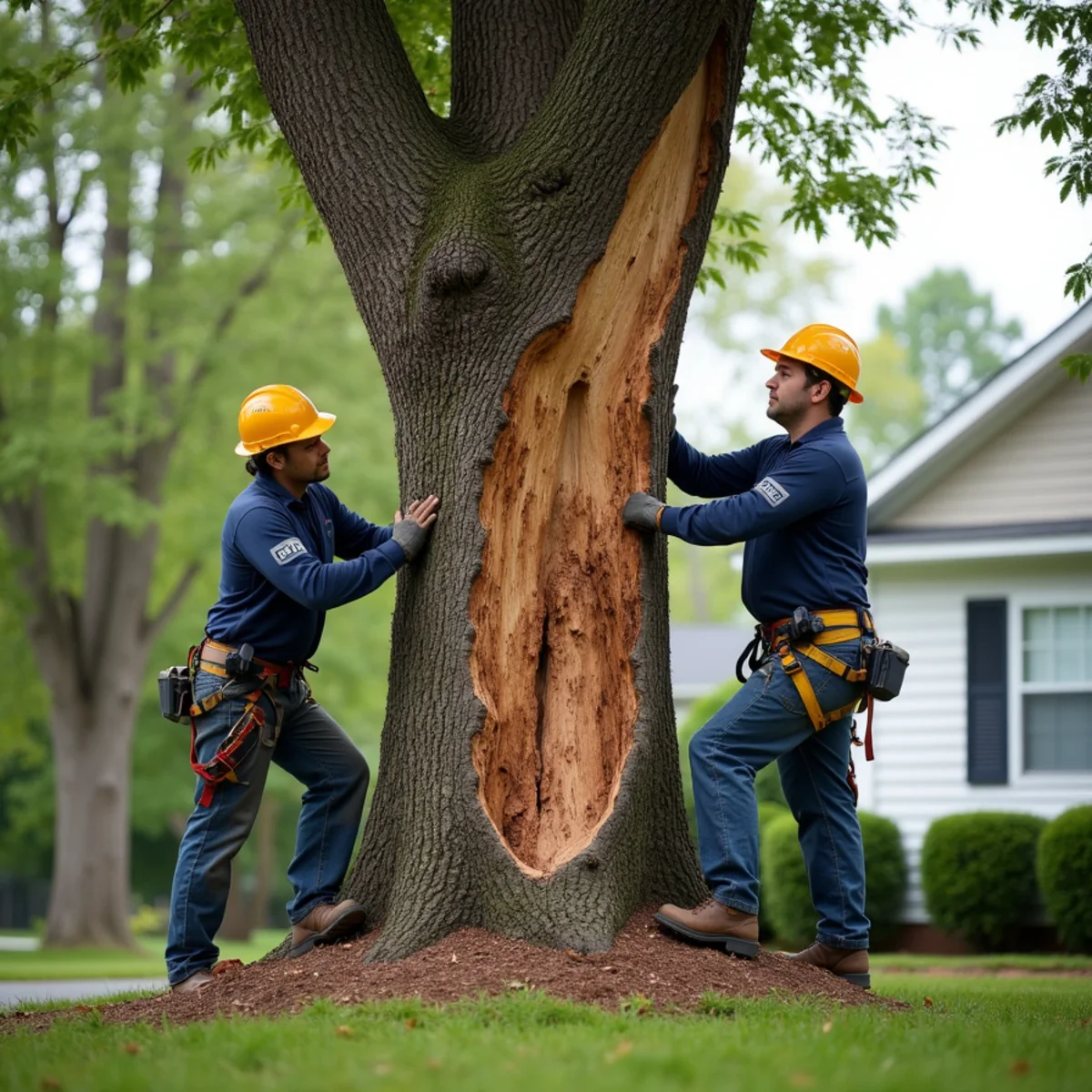
The 7 Critical Warning Signs of a Hazardous Piedmont Tree
In the Carolina Piedmont, trees face intense summer thunderstorm shear, multi-day tropical downpours in saturated Cecil red clay, and heavy winter ice loading. Here is how to evaluate each warning indicator:
| Symptom Indicator | Biological Cause | Structural Failure Risk Level | Recommended Action | |---|---|---|---| | Fungal Conks / Shelf Mushrooms | Active heartwood decay fungus | High (hidden internal hollowing) | Resistograph or sounding inspection | | Sudden Lean & Lifting Soil | Root plate shear in wet clay | Critical / Immediate Emergency | 24/7 emergency stabilization | | Deep Vertical Seams / Cracks | Frost wedging & torsional wind load | High (split trunk risk) | Cabling/bracing or sectional removal | | Large Sheets of Peeling Bark | Vascular cambium death | Moderate to High (branch dieback) | Crown health & vigor assessment | | Canopy Dieback ('Widow-Makers') | Underground root loss or borers | High (falling deadwood hazard) | Deadwooding or crown reduction | | Hollow Trunk & Ant Frass | Advanced internal wood rot | High (loss of stem strength) | 1/3 sound wood rule evaluation | | Epicormic Stress Shoots | Canopy starvation / emergency energy | Moderate (progressive decline) | Identify root or soil compaction issue |
1. Mushroom Conks or Fungal Brackets at the Trunk Base
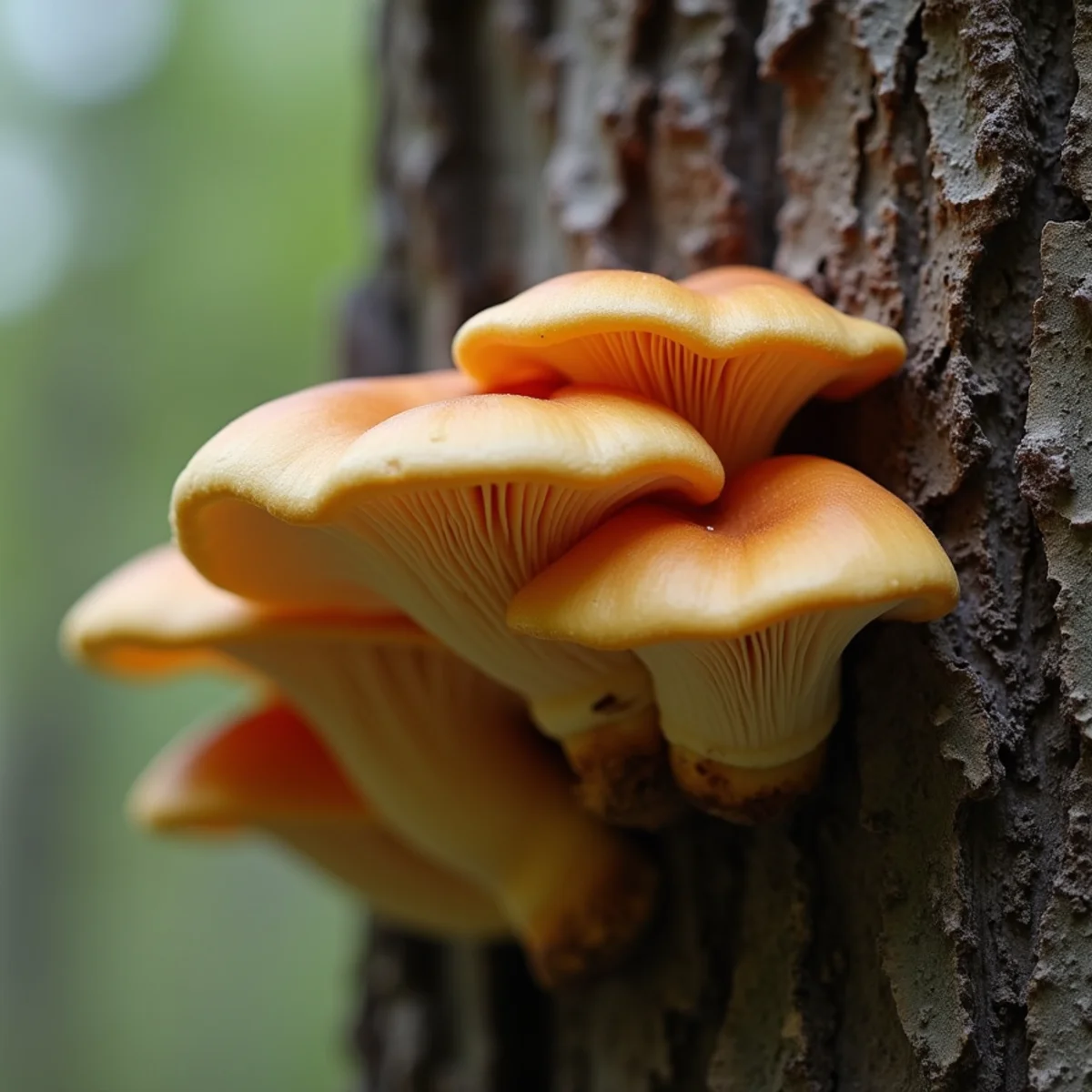
If you observe shelf-like bracket mushrooms (such as Ganoderma or Armillaria) fruiting directly out of the root flare or lower trunk, the tree's structural heartwood is decomposing. Wood-decay fungi do not consume healthy, living sapwood; they digest cellulose and lignin in dead or dying heartwood. A tree can maintain a deceptively lush green canopy while its internal structural core has transformed into a soft, fibrous sponge unable to withstand 50-mph storm gusts.
2. A Sudden New Lean Accompanied by Heaving Soil
Trees that have grown with a natural sweep over thirty years develop reinforced tension wood on the leeward side and are typically safe. However, if a tree develops a noticeable new lean following a heavy rain event, catastrophic root failure has begun. Walk around the windward root plate: if you spot fresh soil fissures, mounded red clay, or snapped anchor roots pulling upward from the turf, the tree has lost ground anchorage and can blow over without warning.
3. Deep Vertical Cracks or Seams in the Main Trunk
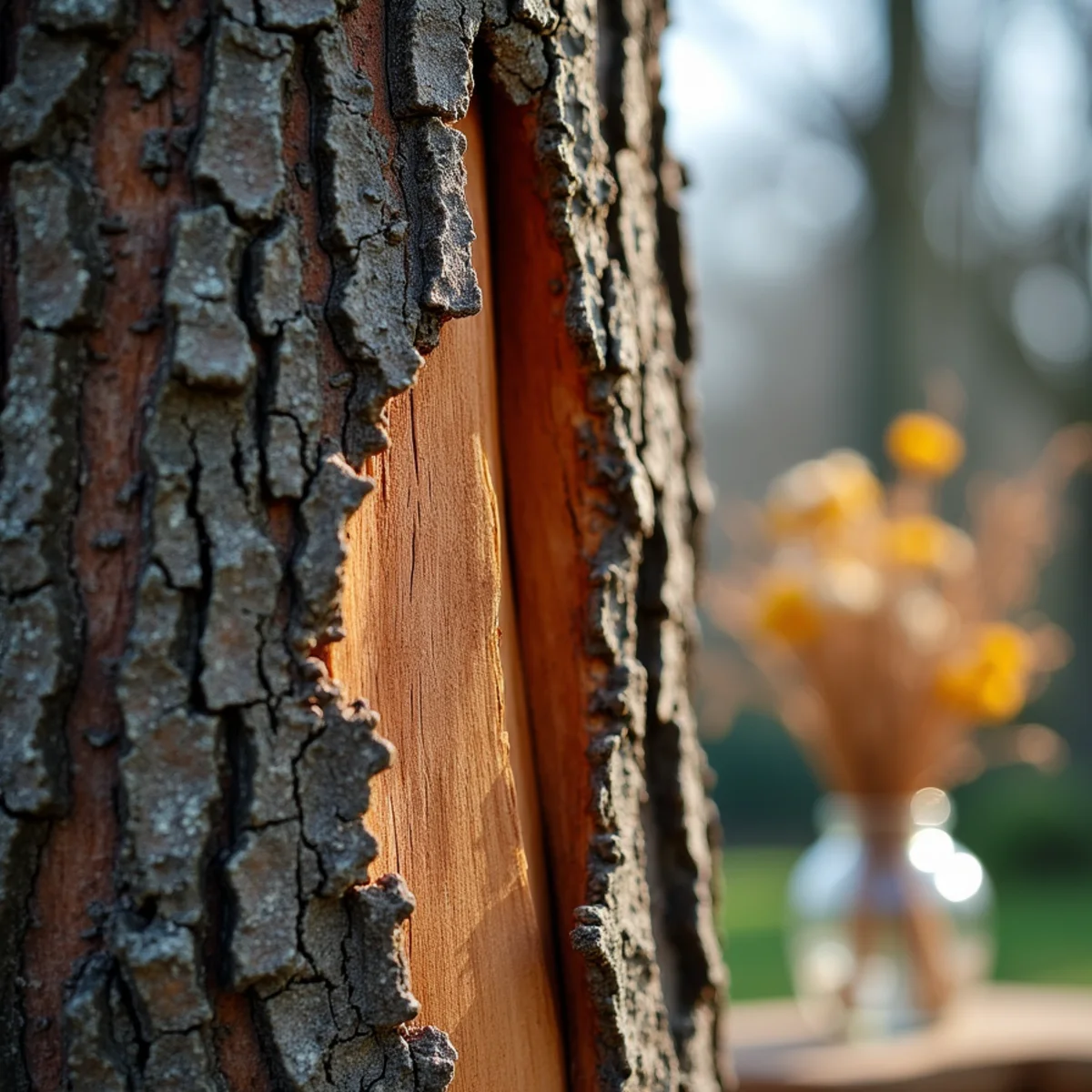
Surface bark fissures are a healthy sign of diameter growth. In contrast, deep vertical cracks that penetrate through the bark into the inner wood—particularly along tight V-shaped crotches where two competing stems meet—represent structural fault lines. Winter freezing cycles force water into these fissures, expanding ice and driving the seam deeper into the heartwood.
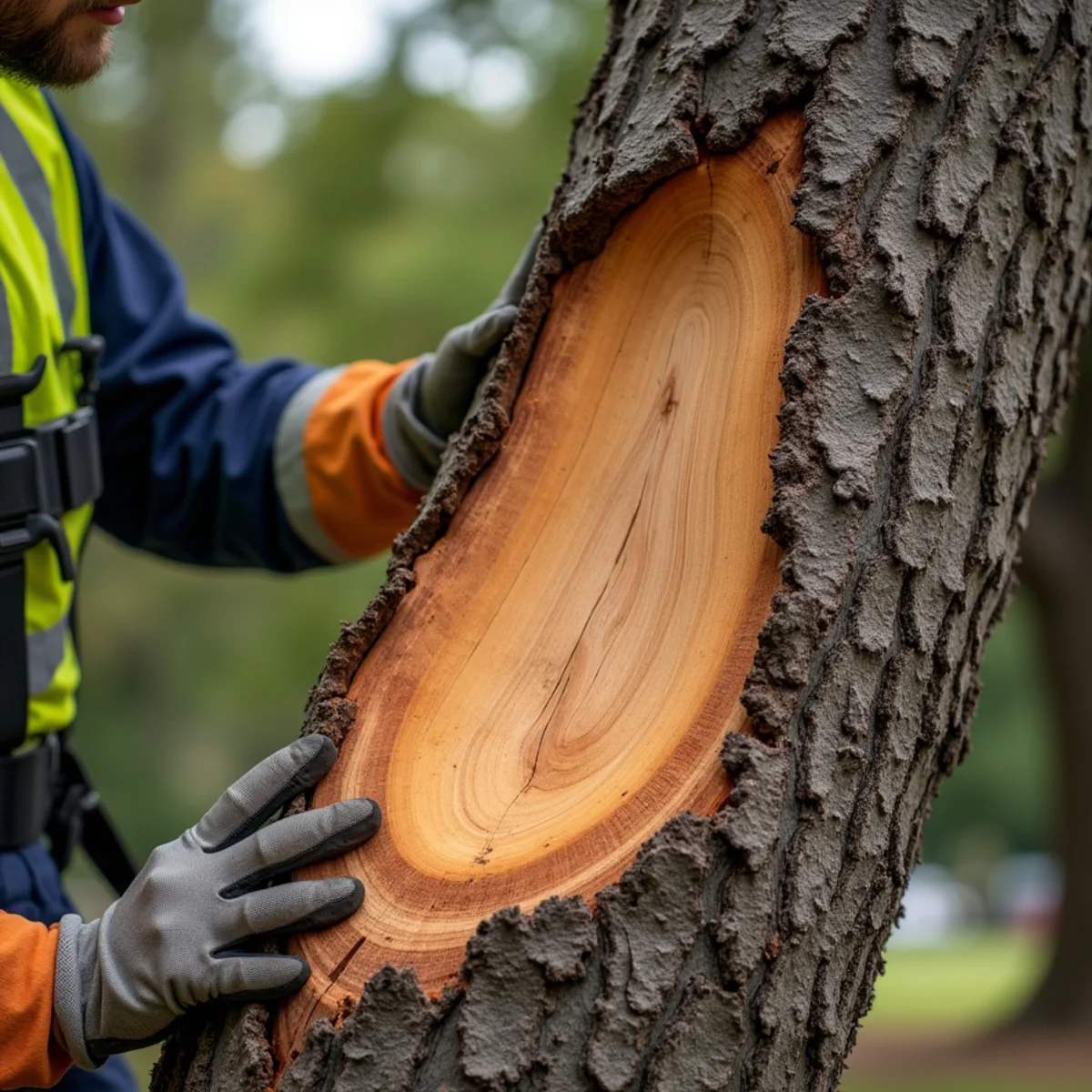
4. Bark Sloughing Off in Large Continuous Sheets
Bark serves as the tree's protective skin and shields the vascular cambium layer. When bark falls away in wide, brittle sheets leaving dried, bleached sapwood exposed, that section of the tree has stopped transporting moisture and carbohydrates. If more than one-third of the trunk circumference exhibits dead, missing bark, the tree is in irreversible decline.
5. Upper Canopy Dieback and Brittle 'Widow-Makers'
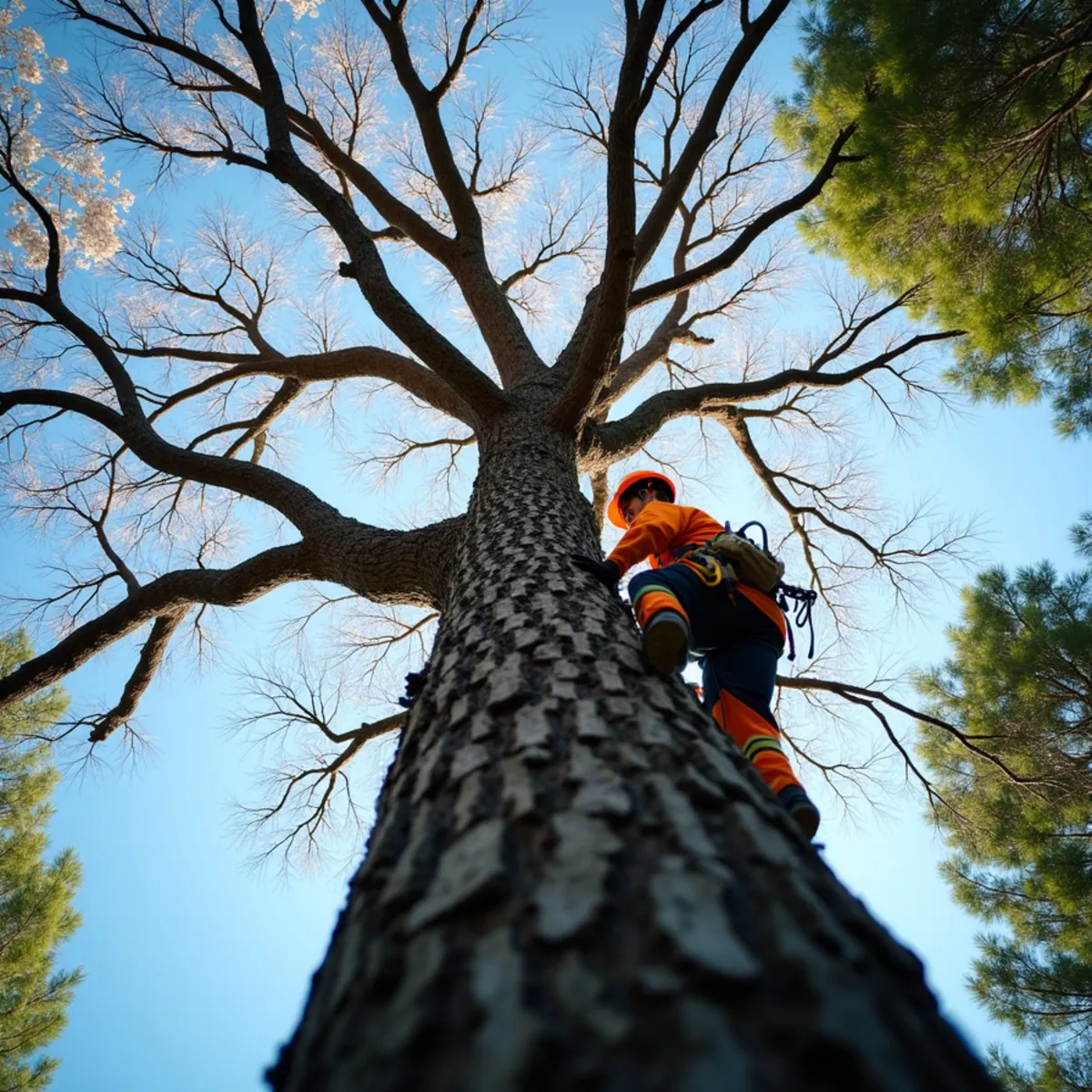
Step back across the street to inspect the upper crown silhouette. If large leader branches are gray, leafless, and barkless while lower branches produce foliage, the tree's root system is unable to pump water to its highest extremities. In arboriculture, dead branches over 3 inches in diameter are termed 'widow-makers' because they can snap and free-fall suddenly under their own deadweight on calm summer afternoons.
6. Hollow Cavities and Carpenter Ant Infestations
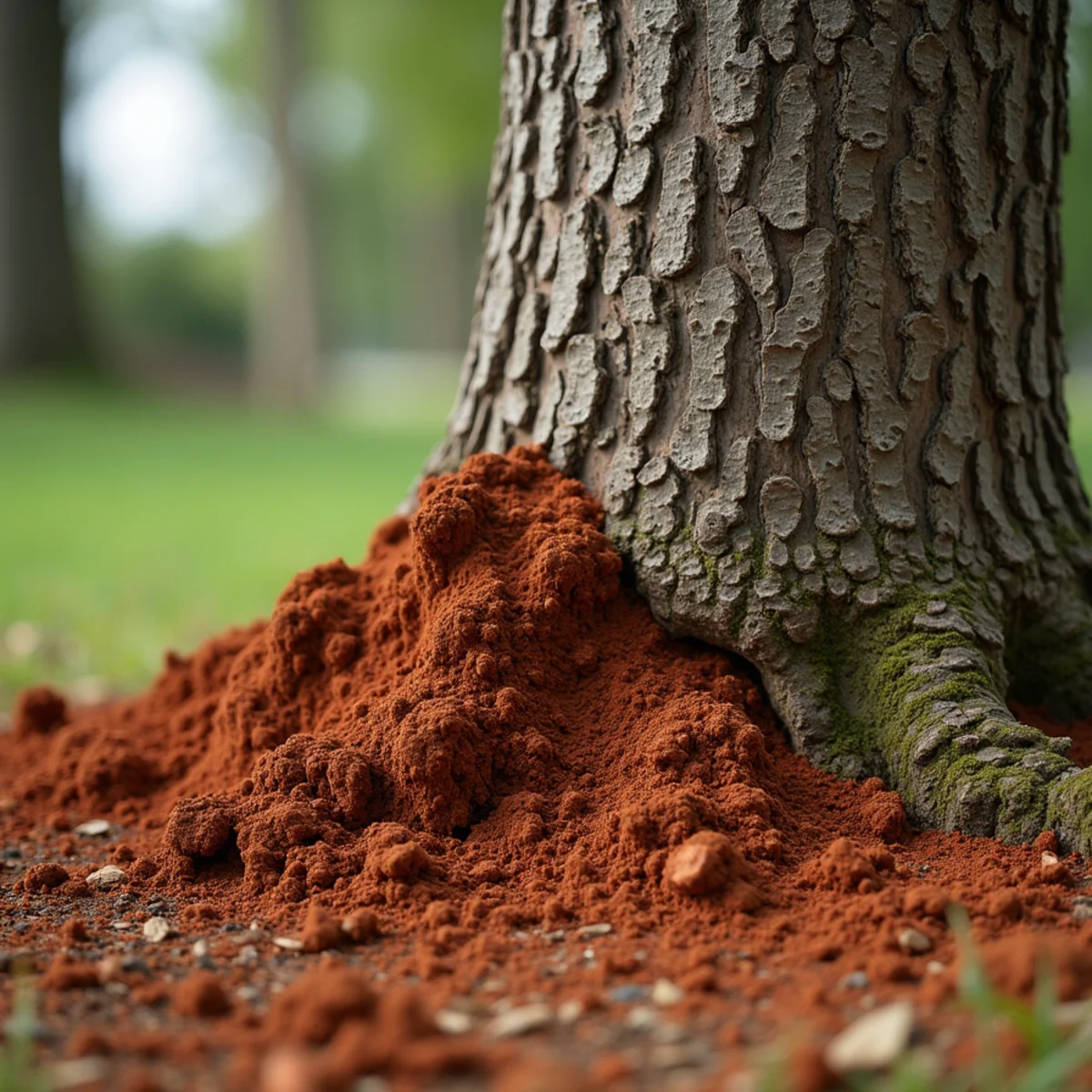
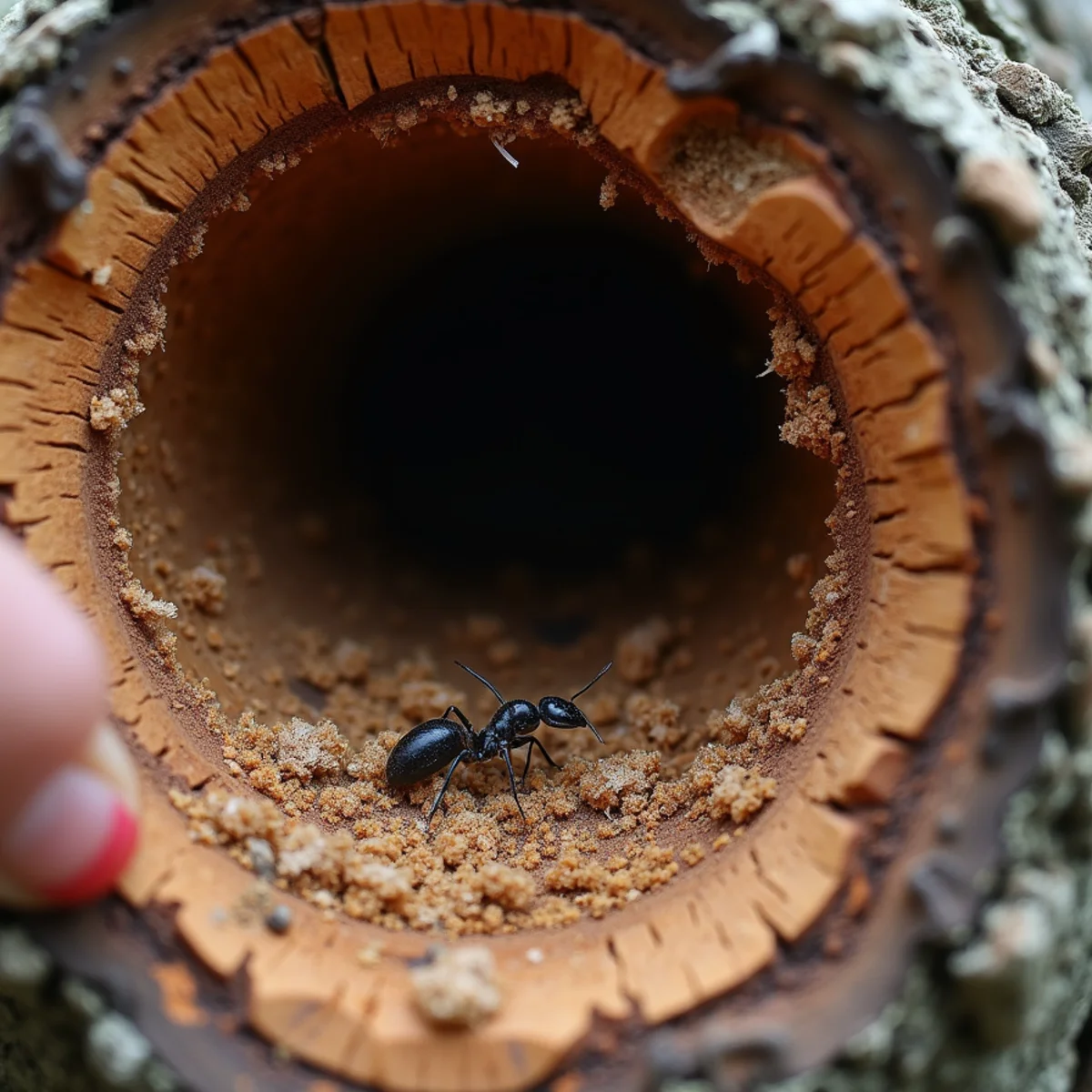
Decayed knot holes, woodpecker drilling excavations, and sawdust-like frass piling up around trunk openings indicate carpenter ants nesting in decomposing wood. While trees can compensate for minor hollows, a hollow trunk near homes, garages, or parking pads poses serious liability risks during Cabarrus County storms.
7. Epicormic 'Stress Sprouts' Along the Lower Trunk
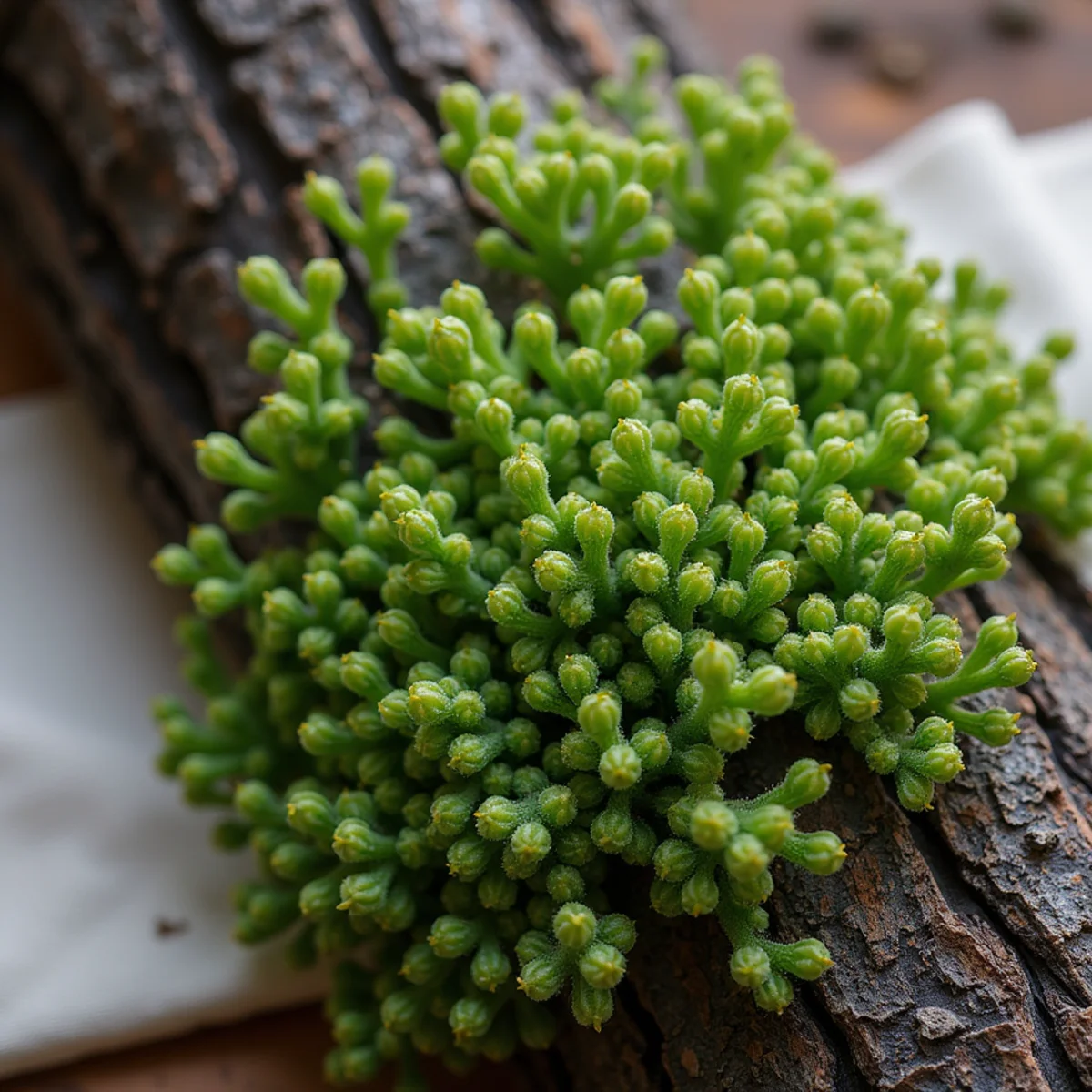
When a mature oak or maple suddenly shoots out dense, bushy clusters of small green twigs directly from the lower trunk, it is exhibiting epicormic sprouting. This is an emergency stress reaction: because the upper crown is dying or starved of nutrients, the tree activates dormant buds along the trunk in a desperate attempt to manufacture sugar.
Expert Arborist Insight: The "One-Third Sound Wood" Structural Rule
Homeowners often ask: How hollow can a tree be before it must be taken down?
Arborists rely on the engineering principle known as the C-t ratio (the one-third sound wood rule). A hollow tree trunk functions mechanically like a hollow steel pipe. As long as the outer rim of sound, decay-free wood constitutes at least one-third (30% to 35%) of the total trunk radius, the tree can often maintain sufficient structural resistance against bending wind forces.
However, if internal fungal rot has reduced the sound wood shell to less than 30% of the radius, or if the hollow is accompanied by open vertical splits, the tree has lost structural elasticity and must be professionally dismantled before severe winds lever it onto surrounding property.
If you suspect a tree on your property in Concord, Kannapolis, or Harrisburg is dying or hazardous, contact Cabarrus Tree Crew at (321) 478-0689 to schedule an on-site arborist evaluation.
Field Evidence & Visual Guide
Reference photographs illustrating the key stages, biological indicators, and field equipment discussed in this article.
Need Help With a Dangerous or Fallen Tree?
Call Cabarrus Tree Crew at (321) 478-0689. Our insured local teams answer 24 hours a day, 7 days a week.
Frequently Asked Questions
Can fertilizer or trunk injections save a dying tree?▾
Is it safe to cut down a dead tree myself with a chainsaw?▾
How do arborists check for internal rot inside a tree trunk?▾
What is the fastest a leaning tree can fall?▾
Request an On-Site Tree Estimate
For immediate emergencies (tree on house, car, or blocked road), please call directly for fastest dispatch.